Understanding the Lifespan of Different Roofing Materials Aug 30, 2026
When considering roof replacements or new installations, you may wonder how long each type of roofing material will effectively protect your property. Here's a comprehensive look at the lifespan of some common roofing materials and what you can expect from each.
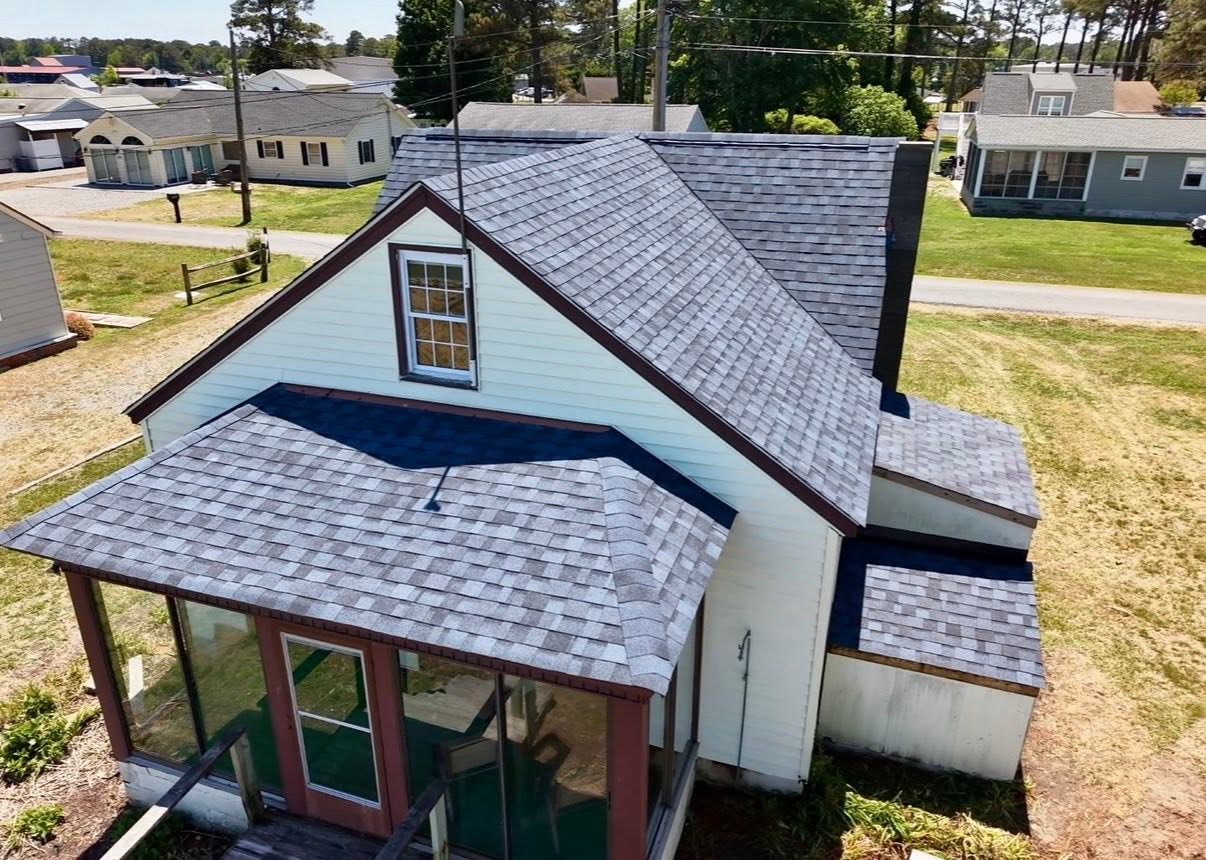
Asphalt shingles are a popular choice for many homeowners due to their affordability and ease of installation. Generally, asphalt shingles last between 15 to 30 years, depending on the quality of the shingles and the local climate. Higher-end options, like architectural shingles, often last longer and offer better protection against the elements. By choosing a reputable brand and ensuring proper maintenance, you can maximize the lifespan of your asphalt shingle roof.
Metal roofing is renowned for its durability and energy efficiency, making it a great long-term investment for many properties. Choices like steel, aluminum, and copper have varying lifespans. On average, metal roofs last anywhere from 40 to 70 years or more. This extensive lifespan, coupled with low maintenance needs, makes metal roofing an attractive option for those looking to avoid frequent replacements. Moreover, metal roofs are fire-resistant and can help reduce energy costs, further boosting their appeal.
Slate roofs are among the most long-lasting roofing materials, often referred to as the 'forever roof.' A well-maintained slate roof can last 75 to 100 years or even longer. This natural stone option not only provides an aesthetically pleasing finish but also offers excellent resistance to extreme weather conditions. However, slate is quite heavy, necessitating a strong structural foundation, and it tends to be more costly upfront. Despite the initial costs, the longevity of slate roofs makes them a wise investment for those planning to stay in their properties for the long term.
Tile roofs, typically made from clay or concrete, are another durable roofing option. These materials can easily last 50 to 100 years. Tiles are particularly popular in areas prone to hot or wet climates as they can withstand high temperatures and heavy rainfall. However, like slate, tile roofs are heavy, requiring additional support structures, which can increase installation costs. Longevity, paired with a distinctive aesthetic, makes tile roofing a favored choice for many homeowners.
Wood shingles and shakes, crafted from cedar, redwood, or southern pine, offer a natural and rustic appeal. With proper maintenance, these roofs can last between 20 to 40 years. It's essential to ensure they are regularly treated for mold, rot, and insects to extend their lifespan. Although they require more upkeep than other materials, their natural insulation properties and unique look make them desirable for certain architectural styles.
Choosing the right roofing material is a crucial decision that can impact the maintenance, repair costs, and durability of your roof. At Legacy Roofing, we're here to guide you through every step of the roofing process. By understanding the lifespan and benefits of each type of roofing material, you can make an informed decision that best suits your needs and budget. Whether you're in need of a replacement or a new installation, investing in the right materials now can save you substantial time and money in the future.
/filters:no_upscale()/filters:format(webp)/media/bb89b554-9ddc-4da7-b5a0-3c6e9ff2ee06.jpeg)